2024 Dissociation Journal: A Comprehensive Guide to Understanding and Managing Dissociation
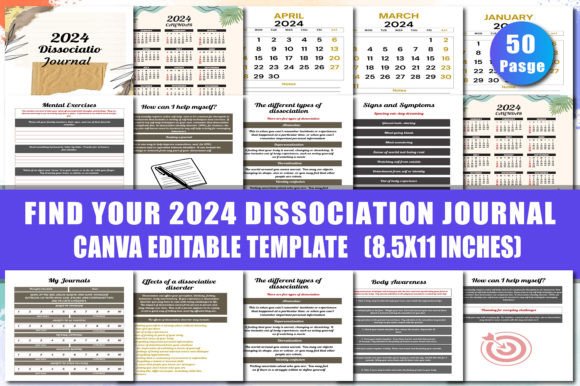
The 2024 Dissociation Journal is a powerful tool designed for individuals seeking to explore, understand, and manage dissociation. This journal offers a structured approach to self-reflection, mental health awareness, and personal growth. Whether you're a professional, student, or someone on a journey of self-discovery, this resource provides valuable insights and practical exercises to support your well-being.
What is Dissociation?
Dissociation is a psychological process where a person disconnects from their thoughts, feelings, memories, or sense of identity. It can range from mild daydreaming to more severe forms that interfere with daily life. The 2024 Dissociation Journal helps users recognize and navigate these experiences through guided entries and reflective prompts.
Understanding dissociation is crucial for anyone experiencing it or supporting someone who is. The journal includes sections dedicated to explaining what dissociation is, its causes, and how it affects the mind and body. By exploring these topics, users can gain a deeper understanding of their own experiences and develop strategies for managing them effectively.
Signs and Symptoms of Dissociation
Recognizing the signs and symptoms of dissociation is the first step in addressing it. Common indicators include memory gaps, feeling detached from one's surroundings, and a sense of being outside of oneself. The 2024 Dissociation Journal provides detailed information on these symptoms, helping users identify patterns and triggers in their own lives.
Each month of the 2024 calendar includes specific prompts related to tracking symptoms and emotions. These entries encourage users to reflect on their experiences and note any changes over time. This ongoing documentation can be invaluable for both personal insight and professional discussions with therapists or healthcare providers.
The Different Types of Dissociation
Dissociation manifests in various forms, each with its own characteristics and implications. The 2024 Dissociation Journal outlines the different types, such as dissociative amnesia, dissociative fugue, and dissociative identity disorder. Understanding these distinctions can help users better comprehend their own experiences and seek appropriate support.
The journal also includes educational content about the underlying factors that contribute to dissociation, such as trauma, stress, and mental health conditions. This knowledge empowers users to make informed decisions about their care and treatment options.
Effects of a Dissociative Disorder
Dissociative disorders can have significant impacts on a person's life, affecting relationships, work, and overall quality of life. The 2024 Dissociation Journal addresses these effects by providing resources and guidance for managing the challenges associated with dissociation.
Users will find practical advice on coping mechanisms, self-care strategies, and ways to build resilience. These tools are designed to promote stability and enhance daily functioning, making it easier to navigate the complexities of dissociative experiences.
How Can I Help Myself?
Self-help is an essential component of managing dissociation. The 2024 Dissociation Journal offers a variety of techniques and exercises to support personal growth and healing. From mindfulness practices to journaling prompts, these resources empower users to take an active role in their recovery.
One popular technique included in the journal is the 4-3-2-1 method, which helps ground individuals in the present moment. This exercise involves identifying four things you see, three things you hear, two things you feel, and one thing you smell. Such practices can be incredibly effective in reducing dissociative episodes and promoting emotional balance.
My Journals: A Space for Reflection and Growth
The 2024 Dissociation Journal includes several pages dedicated to personal reflection and journaling. These sections provide a safe space for users to express their thoughts, track progress, and celebrate small victories. By regularly engaging with these entries, individuals can develop a greater sense of self-awareness and emotional regulation.
Each journal entry is designed to encourage introspection and self-compassion. Users are prompted to explore their feelings, set goals, and reflect on their experiences. This ongoing dialogue with oneself can lead to profound insights and lasting change.
Categories Exercise: Organizing Thoughts and Emotions
Organizing thoughts and emotions is a key aspect of managing dissociation. The 2024 Dissociation Journal features a categories exercise that helps users sort their experiences into manageable sections. This exercise promotes clarity and structure, making it easier to process complex emotions and situations.
By categorizing their thoughts, users can identify recurring patterns and gain a clearer perspective on their mental state. This practice not only enhances self-understanding but also supports more effective communication with others, whether in personal relationships or professional settings.
Body Awareness: Connecting with the Physical Self
Body awareness is an important component of the 2024 Dissociation Journal. This section encourages users to connect with their physical sensations and develop a stronger relationship with their bodies. By paying attention to the body, individuals can better understand their emotional states and respond to them in a more balanced way.
Exercises such as deep breathing, progressive muscle relaxation, and mindful movement are included to help users cultivate a sense of presence and grounding. These practices can be particularly beneficial during moments of dissociation, offering a tangible way to return to the present moment.
Mental Exercises: Strengthening Cognitive Function
Mental exercises are designed to enhance cognitive function and promote mental clarity. The 2024 Dissociation Journal includes a variety of activities that challenge the mind and foster resilience. These exercises are tailored to support users in maintaining focus, improving memory, and developing problem-solving skills.
Regular engagement with these mental exercises can lead to improved emotional regulation and a greater sense of control over one's thoughts and feelings. This proactive approach to mental health is an essential part of the journal's comprehensive framework.
Planner and Calendar: Structuring Daily Life
Effective time management and organization are vital for individuals dealing with dissociation. The 2024 Dissociation Journal includes a planner and calendar to help users stay on track with their goals and responsibilities. These tools are designed to provide structure and reduce the overwhelm that often accompanies dissociative experiences.
The monthly calendar allows users to plan ahead, set reminders, and track progress. By incorporating these elements into their routine, individuals can create a more stable and predictable environment, which is essential for managing dissociation effectively.
Bucket List and To-Do List: Setting Goals and Achieving Success
Setting goals and working towards them is an empowering way to build confidence and motivation. The 2024 Dissociation Journal includes a bucket list and to-do list to help users define their aspirations and break them down into achievable steps.
These lists serve as a reminder of what matters most and provide a sense of direction and purpose. By focusing on positive outcomes and celebrating small achievements, users can foster a sense of accomplishment and resilience.
Vision Board: Visualizing Dreams and Aspirations
A vision board is a creative tool that helps users visualize their dreams and aspirations. The 2024 Dissociation Journal includes a section for creating a vision board, allowing users to explore their goals and imagine a future filled with possibility.
This exercise encourages creativity and self-expression, offering a refreshing way to engage with the journal. By regularly reviewing and updating their vision board, users can stay motivated and inspired, reinforcing their commitment to personal growth and well-being.
Dissociation Therapy Journal: Supporting Professional Care
The 2024 Dissociation Journal also serves as a valuable companion for therapy sessions. It includes sections for documenting progress, noting insights, and reflecting on therapeutic experiences. This resource can enhance the effectiveness of professional care by providing a structured way to track and share developments.
Therapists and healthcare providers can use the journal to gain a deeper understanding of a patient's journey, making it easier to tailor treatment plans and support individual needs. This collaborative approach fosters a more meaningful and productive therapeutic relationship.
Notes: Personalizing Your Journey
The 2024 Dissociation Journal includes blank pages for personal notes, allowing users to customize their experience. These pages are ideal for recording thoughts, ideas, and reflections that may not fit into the structured sections of the journal.
By adding personal notes, users can create a unique and personalized resource that reflects their individual journey. This flexibility ensures that the journal remains relevant and useful over time, adapting to the changing needs of its user.
Thank You: A Final Note of Gratitude
The 2024 Dissociation Journal is more than just a tool; it's a supportive companion for anyone navigating the complexities of dissociation. With its thoughtful design, practical exercises, and comprehensive content, this journal offers a valuable resource for personal growth and healing.
Whether used independently or in conjunction with professional care, the 2024 Dissociation Journal provides a structured and meaningful way to explore, understand, and manage dissociation. Its unique design and high-quality print-ready files make it an excellent choice for those looking to invest in their well-being and self-awareness.